The UNODC World Drug Report 2024 highlights a growing reliance on maritime routes for drug trafficking. During the COVID-19 pandemic, cocaine shipments seized at European ports surged, with preliminary data from 12 countries showing an 18% increase in quantities intercepted at seaports. This trend reflects the resilience and adaptability of trafficking networks amid global disruptions. Notably, the use of semi-submersible vessels or "narco-subs" has become more prevalent. Capable of transporting large quantities of drugs across vast distances, including routes to Australia, these vessels mark a shift toward more sophisticated, covert smuggling methods UNODC, 2024.
While drug trafficking remains a major concern, it is only one of many maritime crimes affecting global security and stability. Piracy, arms smuggling, human trafficking, migrant smuggling, illegal fishing, and maritime environmental crime also pose significant threats in the maritime domain, often involving the same transnational criminal networks.
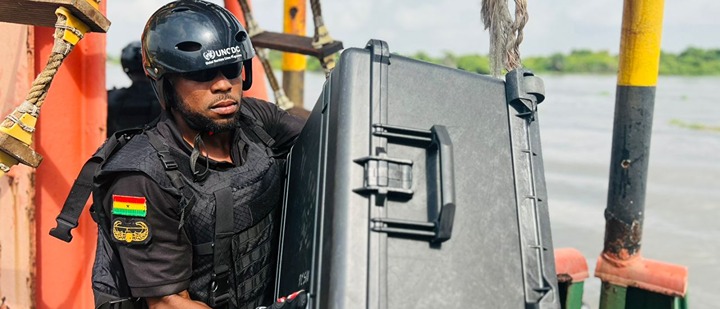
In response, the UNODC Global Maritime Crime Programme (GMCP) supports Member States through targeted capacity-building initiatives that strengthen maritime law enforcement, judicial cooperation, and legislative frameworks. GMCP delivers specialized training for interdiction teams, deploys technology to enhance maritime domain awareness, and facilitates cross-border cooperation in criminal investigations. In 2024, GMCP trained and mentored over 8,500 officers across 109 countries, reinforcing the global criminal justice chain. These efforts aim to build sustainable, rule-of-law-based frameworks for detecting, intercepting, prosecuting and adjudicating maritime crimes, assisting Member States respond more effectively to evolving transnational maritime threats.